Working together
Work with residents, schools, farmer organisations, qualified health professionals and relevant public institutions to turn local priorities into workable projects.
 Hon. Patrick Kiptoo
Dollar Mashinani · Moiben Constituency
Make learning easier to access through fair education support, better school facilities, stocked libraries and clear pathways to further training.
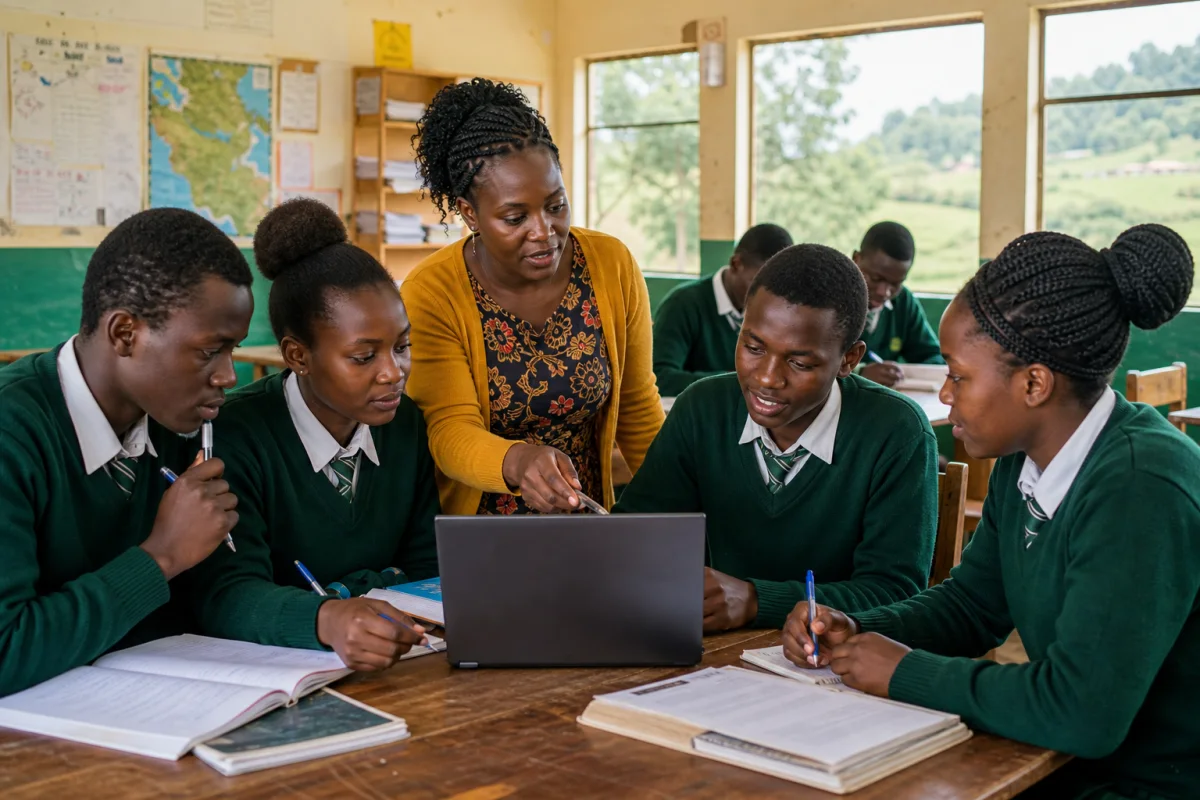
Getting into school is only part of the journey. Families also need dependable education support, while learners need suitable classrooms, books, safe surroundings and access to water and electricity. Clear guidance on further training can be difficult to find.
A better learning environment gives students room to develop their abilities. Fair support and informed choices after school can help families plan with greater confidence and keep education connected to future opportunities.
Work with school communities and education partners to identify the most pressing gaps. Complement available public education resources by seeking additional support for learning facilities, scholarships, mentorship and accredited training pathways.
Good proposals need capable partners, clear responsibilities and resources that can be accounted for. We will develop delivery plans with communities and the institutions responsible for each service, then publish the priorities, funding arrangements and progress.
Work with residents, schools, farmer organisations, qualified health professionals and relevant public institutions to turn local priorities into workable projects.
Seek support from foundations, development partners, the diaspora and responsible corporate social investment to complement available public resources. Announce partnerships when agreements are confirmed.
Publish eligibility criteria, application routes and selection processes for education support, training and other opportunities. Explain how participating communities and institutions are chosen.
Set out funded activities, responsible partners and milestones. Share progress, explain delays and provide a clear route for residents to raise questions and suggest improvements.
These are proposed commitments. Detailed plans will identify the responsible institutions, confirmed partners, available funding and practical timelines. Progress updates will distinguish what is proposed, funded, under way and completed.
Share a practical need, suggest a partnership or tell us what progress should look like.